Are you or a loved one searching for a trusted sober living program? Give us a call!  310-953-4075
 310-953-4075 You stop drinking, expecting to feel better, but bedtime brings a new kind of frustration.
You feel exhausted, yet sleep won't come easily. When you do drift off, you might wake up several times during the night or find yourself wide awake long before morning.
This can be confusing, especially when alcohol once seemed to help you fall asleep. But drinking and sleeping well are not the same thing.
Alcohol can make you feel drowsy while disrupting the natural sleep cycle, and those disruptions don't always disappear as soon as you stop drinking.
Insomnia after quitting alcohol is a common concern during recovery. Understanding why these changes happen, how long they may last, and what can help can make this part of recovery easier to navigate.
Alcohol can make falling asleep feel easier, but that doesn't mean you're getting good-quality rest.
Its sedating effects can shorten the time it takes to drift off, while interfering with the natural stages of sleep that help your body and brain recover.
One important effect is on REM sleep, the stage associated with dreaming, memory processing, and emotional regulation. Alcohol can suppress REM sleep earlier in the night.
This is why a night of drinking can leave you feeling tired even after spending several hours in bed. You may fall asleep quickly but wake up feeling as though you haven't rested properly.
Alcohol can also worsen snoring and disrupt breathing during sleep, particularly in people who are prone to obstructive sleep apnea. These effects are one reason alcohol's relationship with sleep is more complicated than simply feeling sleepy after a drink.
If alcohol was disrupting your sleep, it might seem logical that stopping would immediately improve it. In reality, the adjustment can be more complicated.
With regular or heavy drinking, the brain adapts to alcohol's effects on systems involved in alertness, relaxation, and sleep. When alcohol is removed, those systems need time to readjust. During this period, the body can become more alert and restless, making it difficult to fall asleep or stay asleep.
Sleep changes during this stage can include:
Some of these symptoms may occur during alcohol withdrawal, while others can continue into early recovery after the initial withdrawal period has passed.
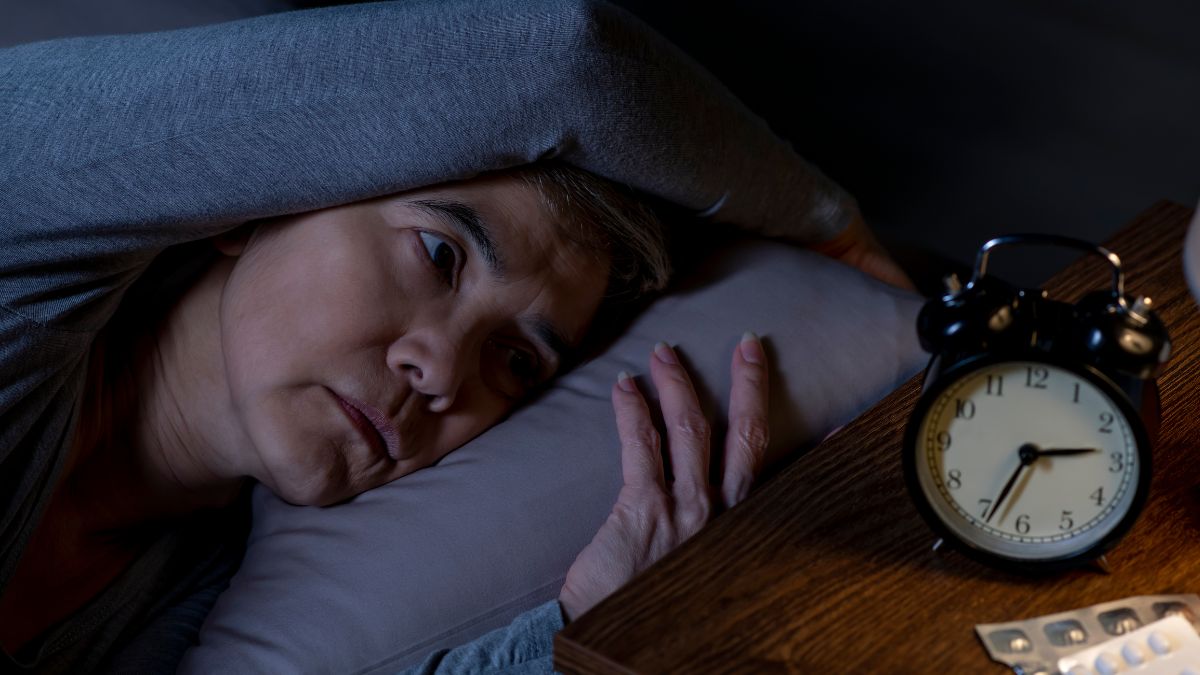
There isn't a fixed point when sleep returns to normal after quitting alcohol.
The timeline can depend on how much and how often someone drank, how long alcohol use continued, their general health, and whether they had sleep difficulties before stopping.
Here's a general picture of what the adjustment may look like:
Sleep can be particularly difficult during acute alcohol withdrawal.
People may experience restlessness, sweating, anxiety, frequent waking, and difficulty falling asleep.
The severity of these symptoms varies depending on various factors.
As the body adjusts to life without alcohol, sleep may begin to feel more settled.
Falling asleep can become easier, and waking during the night may become less frequent.
However, improvement isn't always steady. Some nights may be better than others, and vivid dreams or interrupted sleep can continue for a while.
For some people, insomnia continues even after the initial withdrawal symptoms have eased. This is sometimes described as part of post-acute withdrawal, although persistent sleep difficulties can also have other explanations.
Research on sleep disturbances in alcohol recovery suggests that problems can continue beyond detoxification and may need attention in their own right.
The review on alcohol dependence and sleep disorders discusses how insomnia and other sleep disturbances can persist during recovery.
Note: Sleep may take time to stabilise, but persistent insomnia deserves attention. Getting the right support can help you address it without turning to alcohol or relying on unprescribed sleep aids.
Not every sleep problem is insomnia. Sometimes, the issue is what happens to your breathing while you're asleep.
Alcohol relaxes the muscles in the throat, which can make the upper airway more likely to narrow or become blocked. For someone with obstructive sleep apnea, this can worsen breathing interruptions during the night. It may also increase snoring, although snoring alone does not mean someone has sleep apnea.
Some signs that may point to sleep apnea include:
The National Institutes of Health explains how alcohol can relax the muscles around the airway and increase the risk of sleep apnea. If these symptoms sound familiar, it's worth discussing them with a healthcare professional.
Getting enough rest can make it easier to manage the emotional demands of recovery. When you're constantly tired, everyday stress can feel harder to handle, concentration may suffer, and patience can wear thin.
Poor sleep can also affect mood and make existing anxiety or depression more difficult to manage. Over time, this can add to the challenges of staying sober.
Research has found a link between sleep difficulties, alcohol cravings, and relapse risk. One study of people recovering from alcohol use disorder also found that improvements in insomnia were associated with reduced alcohol cravings.
This doesn't mean poor sleep will lead to relapse. It does mean that sleep deserves attention as part of recovery, rather than being treated as a problem that will automatically resolve on its own.
There isn't one bedtime trick that works for everyone. But a few consistent habits can help create conditions that make sleep easier over time.
If insomnia continues, sleep habits alone may not be enough. Cognitive Behavioral Therapy for Insomnia (CBT-I) is a structured treatment that addresses patterns contributing to sleep difficulties.
When sleep feels out of reach, taking something to help you switch off can seem like an easy solution.
But during alcohol recovery, choosing a sleep aid without medical guidance can create additional risks.
Some prescription sleep medications, particularly sedatives that act on the central nervous system, carry a risk of dependence or misuse. Others can interact with alcohol, other substances, or prescribed medications.
Even over-the-counter products and supplements may not be appropriate for everyone.
It's also important to remember that treating the symptom doesn't necessarily address what's causing it. If insomnia is related to an underlying sleep disorder, anxiety, depression, or another health condition, that issue may need its own treatment.
A healthcare professional can review your medical history, current medications and sleep symptoms before discussing suitable options.
Avoid using alcohol as a sleep aid or taking unprescribed medication to manage insomnia.
Building healthier sleep habits is easier when your surroundings support them. In an unpredictable environment, it can be difficult to maintain regular routines or make rest a priority.
A structured recovery setting can provide some of the consistency needed to establish new habits.
Simple aspects of daily living can make a difference:
At Bridges, a supportive living environment can be part of creating the stability that helps residents work towards healthier routines.
Sleep is only one part of that process, but having a predictable setting and a community around you can make everyday recovery feel more manageable.
Yes. Alcohol can interfere with normal sleep patterns, even if it initially makes you feel sleepy. Regular drinking can contribute to disrupted sleep and insomnia.
Your brain and body may need time to adjust after regular alcohol use stops. Withdrawal, changes in sleep patterns, and underlying health or mental health concerns can all contribute.
There is no fixed timeline. Sleep may improve over the first few weeks, but some people experience difficulties for longer and may need professional support.
Yes. Alcohol relaxes the muscles around the airway, which can worsen breathing interruptions in people with obstructive sleep apnea.
Some medications carry dependence risks or may interact with other substances and treatments. Speak with a healthcare professional before using any sleep medication.
Addressing insomnia may support emotional well-being and reduce some recovery challenges, including cravings. However, good sleep alone cannot guarantee relapse prevention.
Better sleep can make the challenges of recovery easier to manage, but building healthier habits takes time and the right support. Having a stable environment, a consistent routine, and a community that understands your journey can help you stay focused on long-term sobriety.
At Bridges, we believe recovery is about creating a foundation for a healthier, more fulfilling life.
If you're looking for a supportive place to continue that journey, reach out to our team. We're here to help you explore your next steps.