Are you or a loved one searching for a trusted sober living program? Give us a call!  310-953-4075
310-953-4075 310-953-4075 If you are trying to understand sober living vs halfway house vs Oxford House, the names can make the options sound more similar than they really are.
The biggest differences are who operates the residence, who decides who can move in, how much structure is provided, and how independent residents are expected to be.
If you are trying to understand sober living vs halfway house vs Oxford House, the names can make the options sound more similar than they really are.
The biggest differences are who operates the residence, who decides who can move in, how much structure is provided, and how independent residents are expected to be.
| Sober Living | Halfway House / RRC | Oxford House | |
| Who is it for? | People continuing recovery in a structured living environment | People transitioning from incarceration or another supervised setting, depending on the program | People in recovery seeking peer-run sober housing |
| Who runs it? | Private operator or organization | Government or contracted provider, depending on the program | Residents |
| Who pays? | Usually the resident | Depends on the program | Residents share house expenses |
| Court involvement | Not necessarily | May be part of supervised reentry | No |
| Length of stay | Varies by residence | Depends on release/reentry requirements | No fixed time limit |
| Privacy | Depends on the residence and room | Depends on the facility | Depends on the house |
| Cost | Varies | Varies | Residents share expenses |
| Can you choose it? | Generally, yes | Not always | Yes, subject to the house's acceptance process |
The details can vary between programs, so the name alone should never be the deciding factor.
Looking for structured sober living in Los Angeles?
A halfway house is generally a transitional living setting, but the term can mean different things depending on the context.
One specific example is a Residential Reentry Center (RRC) operated through the federal Bureau of Prisons. The BOP contracts with RRCs, also known as halfway houses, to help people nearing release transition back into the community. These facilities provide structured and supervised environments, along with services such as employment assistance and financial management.
That is different from privately operated sober living.
For someone entering an RRC, the placement may be part of a larger correctional or supervised-release process.
That means you generally cannot treat a halfway house like an ordinary rental where you simply choose a room and move in.
In simple terms, it is transitional housing that helps people move from a more controlled setting toward greater independence. The exact rules and purpose depend on the specific program.
Oxford House is different again.
An Oxford House is a self-run, self-supporting, drug- and alcohol-free residence for people in recovery. There is no outside house manager or authority running the individual home. Residents share responsibilities and govern the house themselves.
That resident-led structure is one of the biggest differences between Oxford House and a professionally operated sober living residence.
This makes Oxford House particularly different from a residence where an outside organization sets the structure and manages the program.
A sober living home, sometimes called a sober living environment (SLE) or recovery residence, is a substance-free place to live where residents can continue working on their recovery while managing everyday responsibilities.
The exact structure varies.
Some residences are highly independent. Others have more defined rules, check-ins, recovery expectations, house meetings, or staff support.
At Bridges Sober Living Apartments, the model centers on structured living, accountability, peer support, recovery participation, and developing independence. Residents can continue working, attending school, participating in recovery, and managing everyday responsibilities while living in a supportive environment.
Bridges describes its Los Angeles residences as structured sober living environments with clear expectations, accountability, recovery participation, and support for employment and life skills.
You may also come across the term three-quarter house when researching recovery housing.
The confusing part is that there is no single universal definition.
In practice, the term is often used for housing that sits somewhere between a highly structured recovery setting and completely independent living. The actual rules, services, supervision, and admission requirements can vary considerably from one residence to another.
That is why it is better to ask:
The label matters less than understanding how the residence actually operates.
You do not necessarily need to choose based on the name.
Start with the setting you are coming from and the amount of structure you need next.
Coming from incarceration or supervised release?
→ An RRC / halfway house may be the relevant setting.
Want a peer-run recovery home with residents making the decisions?
→ Oxford House may be worth exploring.
Want structured recovery housing while working, attending school, or continuing everyday life?
→ Sober living may be a better fit.
Need medical or clinical treatment right now?
→ Sober living may not provide the level of care needed.
The right choice depends less on what sounds best and more on what kind of support and structure you actually need.
Los Angeles has several types of recovery housing, so comparing the structure of each residence is especially important.
Bridges Sober Living Apartments provides structured, apartment-style sober living in Los Angeles. Its residences are designed for people who want a supportive recovery environment while continuing to rebuild everyday independence.
Bridges currently lists three Los Angeles residences:
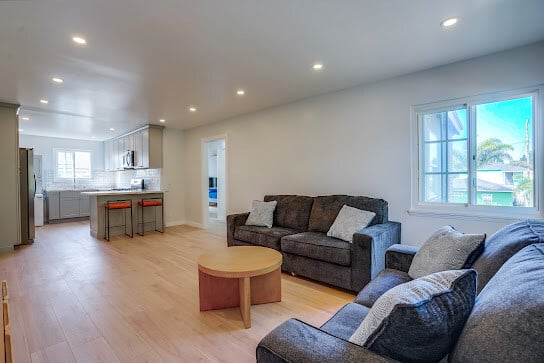
Women’s sober living in an apartment-style environment.
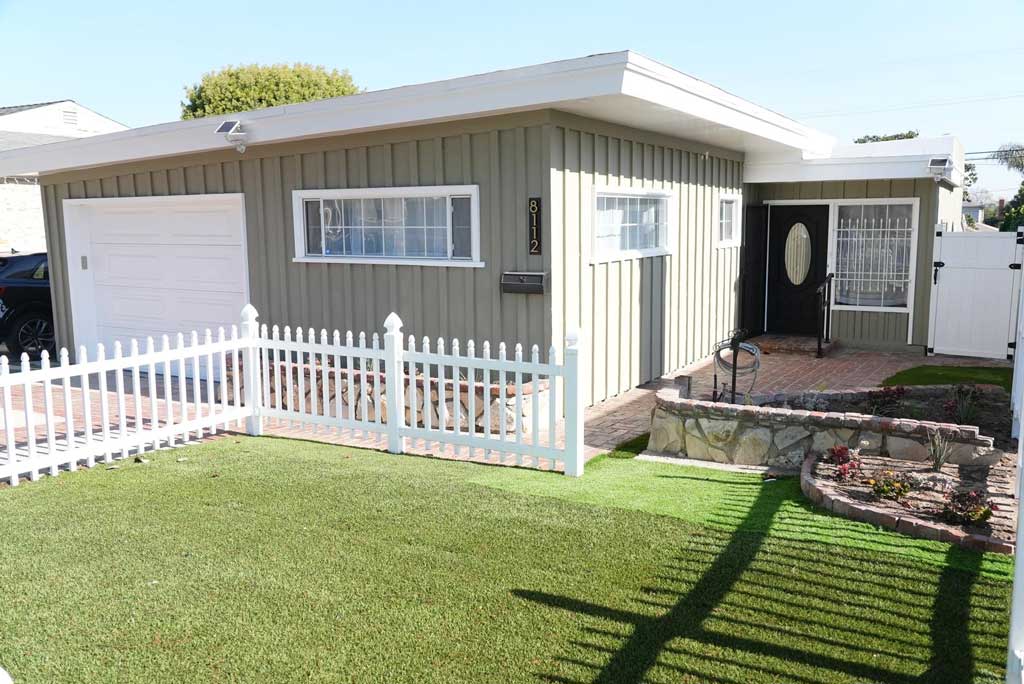
A co-ed sober living residence with structured recovery support.
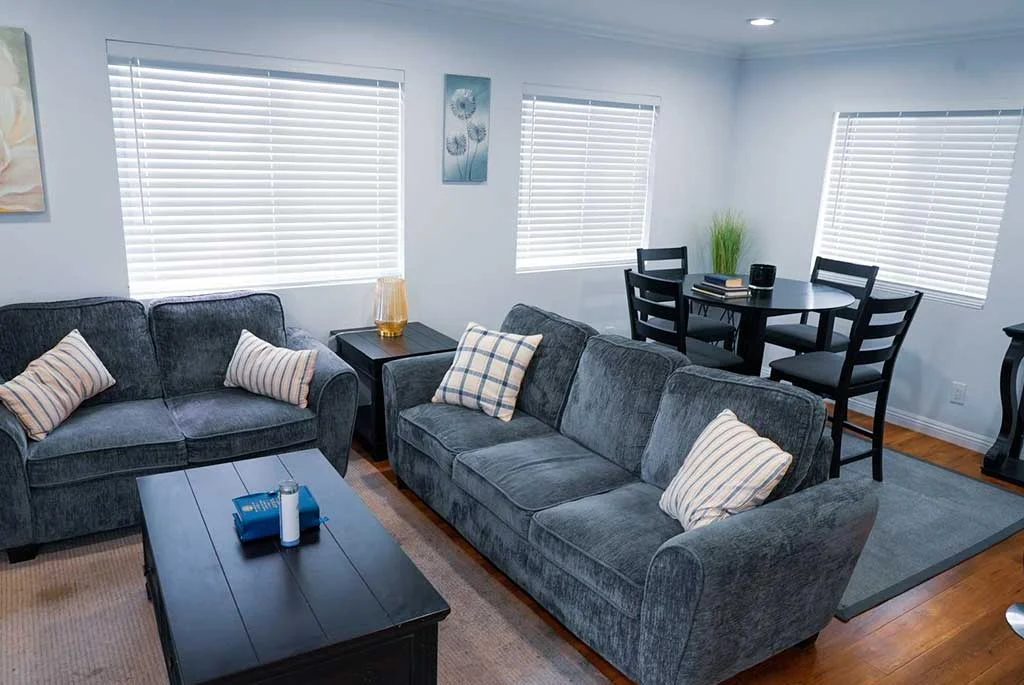
Men’s sober living designed around structure, accountability, peer support, and independence.
The important distinction is that Bridges is sober living, not a federal Residential Reentry Center. Residents are entering a recovery-focused housing environment rather than being placed there as part of a Bureau of Prisons reentry process.
If you are comparing sober living, an Oxford House, or another recovery residence, ask a few basic questions before making a decision.
| Ask this | Why it matters |
| Who runs the residence? | Tells you how decisions and rules are handled. |
| Who decides who moves in? | Shows whether admission is staff-led or resident-led. |
| What happens if someone relapses? | Helps you understand the sobriety policy. |
| Can residents work or attend school? | Shows how the residence supports everyday independence. |
| What recovery activities are expected? | Helps you understand the role of recovery in daily life. |
| How long can residents stay? | Important if you need longer-term stability. |
| What does the monthly cost include? | Helps you compare the actual value of different options. |
A residence can look appealing online and still not be the right fit for your situation.
The best choice is one where the level of structure, community, independence, and expectations match what you need right now.
The terms sober living, halfway house, Oxford House, and three-quarter house can sound interchangeable, but they describe different types of recovery or transitional housing.
The simplest way to remember the difference:
If you are looking for structured sober living in Los Angeles, the next step is to look beyond the label and understand how the residence actually operates.
Want to see what structured sober living looks like at Bridges?
Not necessarily. Sober living is generally recovery-focused housing, while a halfway house can refer to transitional housing connected to reentry or other programs. A federal RRC, for example, is used by the Bureau of Prisons for people nearing release.
A judge may order someone to participate in a particular housing or treatment arrangement, but that does not mean every sober living home accepts court-ordered residents. Admission policies depend on the individual residence.
No. Oxford House is self-supporting, and residents share the costs of operating the house. The amount varies by house and location.
A halfway house may be part of a supervised transition or reentry process, while sober living is generally focused on providing a substance-free recovery environment. The specific rules depend on the residence.
Oxford House is a form of recovery housing, but its model is distinct. Oxford Houses are democratically self-run and financially self-supporting, with residents responsible for managing the home.
Yes. Many sober living environments are designed to allow residents to work, attend school, and manage everyday responsibilities while continuing their recovery. Bridges specifically encourages employment, education, and vocational development.